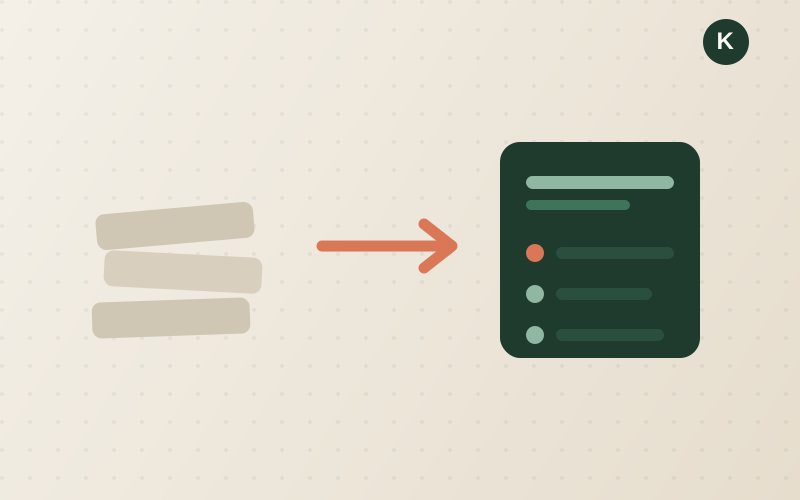
We'll say the quiet part out loud: most agencies aren't staying on an old system because they like it. They're staying because they're afraid of what happens to ten years of records the day they leave. That fear is reasonable. It's also solvable.
Start with an inventory, not a date
Before anyone picks a go-live date, list what you actually have: how many active individuals, how many archived, which document types, and where the data lives. Most "impossible" migrations are just un-inventoried ones.
Move the active records first
You don't need a decade live on day one. Bring active supported individuals across first — the people you're delivering care to this week — and stage the archive behind them. Care continues; history follows.
A good migration is boring. If it feels dramatic, something was skipped in the planning.
What to ask any vendor who promises migration
- Who does the work — us, or you?
- What does it cost, and is it a line item or included?
- What does the data look like when it lands — structured, or a pile of PDFs?
- How do you verify nothing was lost?
If migration is sold as an expensive add-on, that's a signal about how the rest of the relationship will go.
Verify, then switch
Reconcile counts before you turn anything off. Active individuals, key documents, and a spot-check of full records against the old system. Only when the numbers match do you flip the switch.
The point
Switching isn't a leap of faith if it's done in the right order: inventory, active records, archive, verification. The decade of history you're protecting is exactly what a careful migration is built to carry.